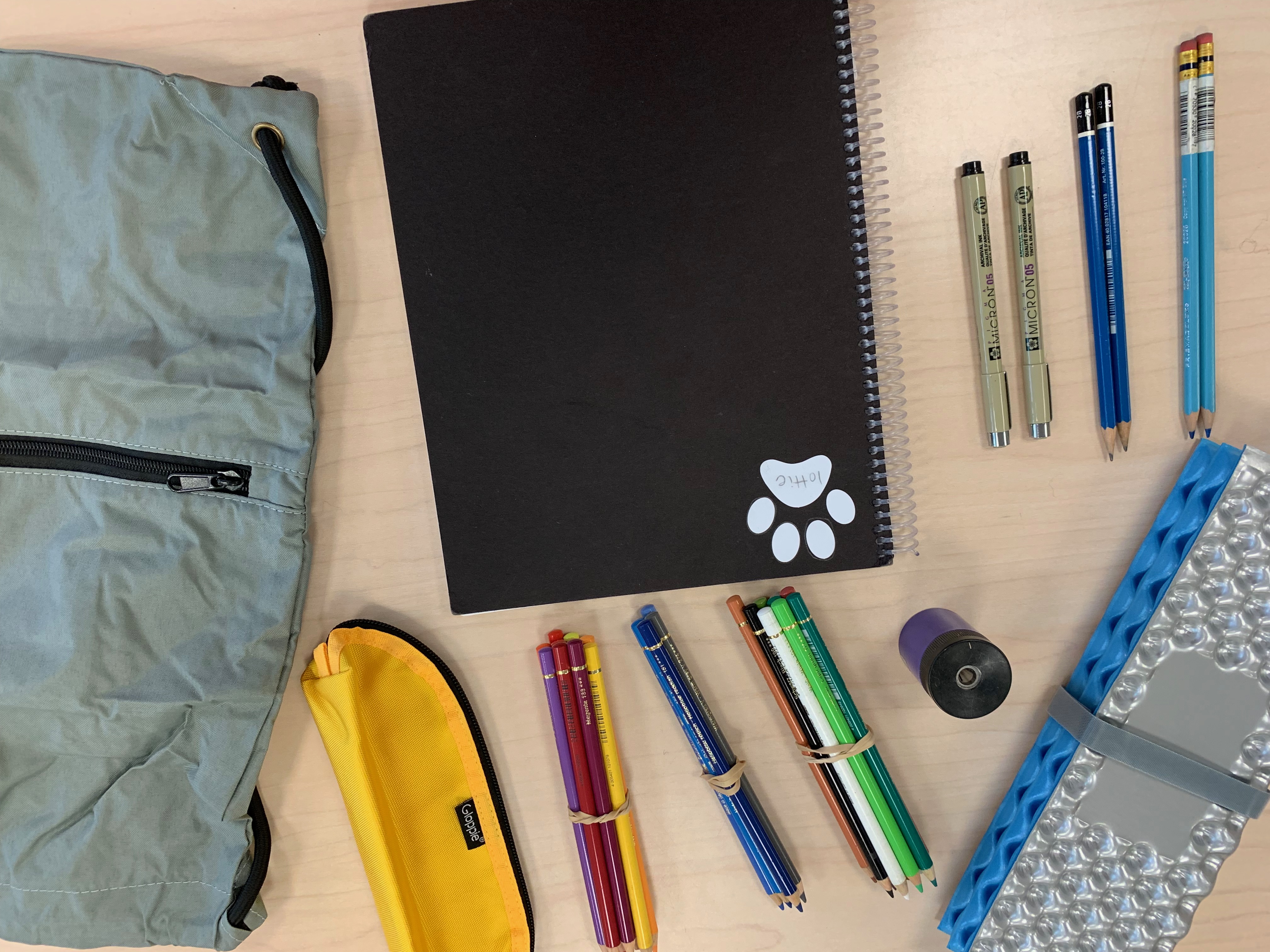
Each student gets a “go-bag” for the semester, and they know to bring it for every class. We have to operate within a traditional fifty-minute class period, so it’s important that they’re ready to roll from the start.
The contents have varied from semester to semester, but here’s the current iteration:
Drawstring bag. Both in the field and in the average eight-grader’s locker, these live pretty hard, so it’s important to get one that can take some abuse. This is the one we’re ordering now. KEY TIP: Make sure it’s a light-enough color where students can clearly mark their names on the outside with a Sharpie.
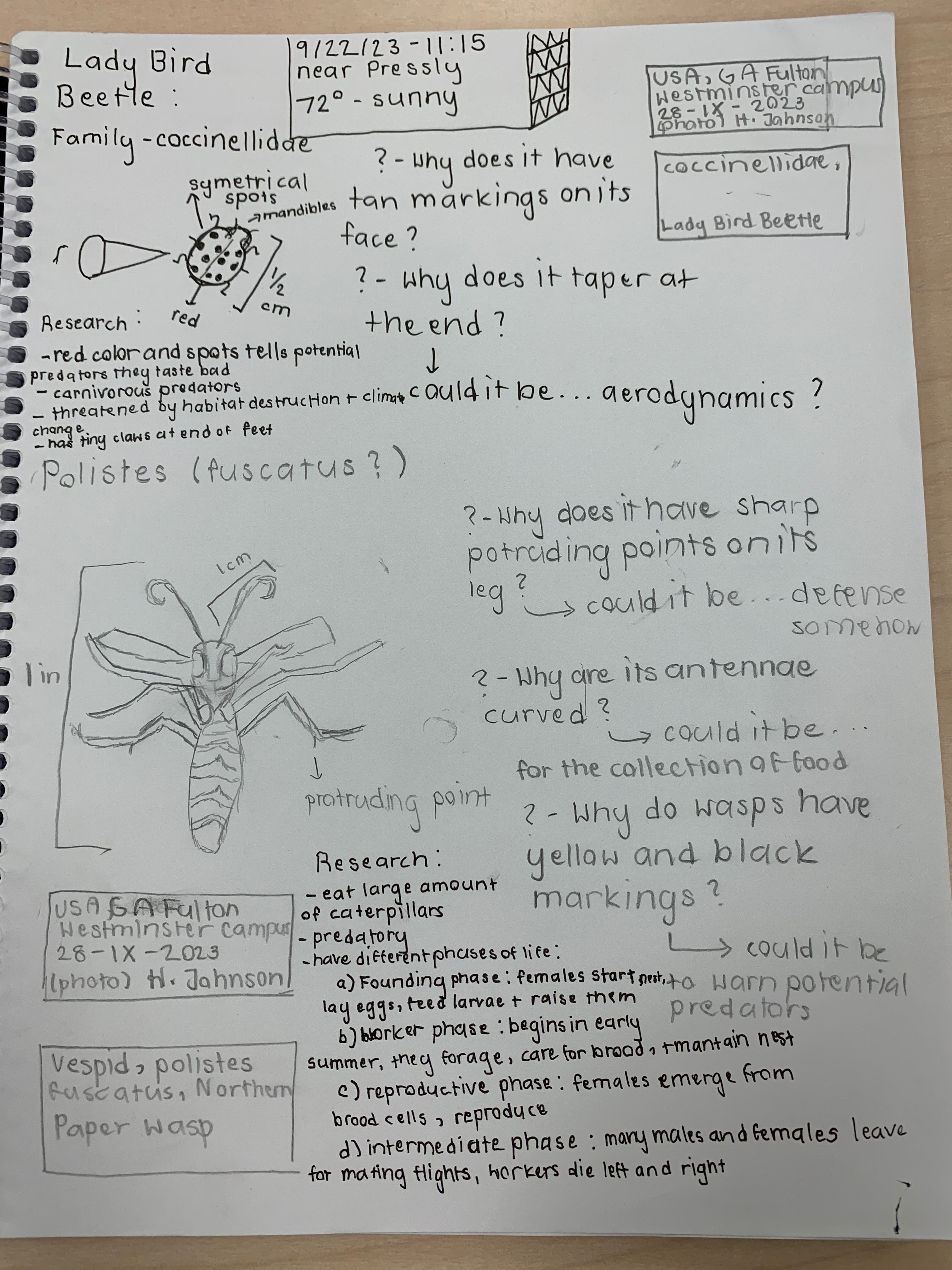
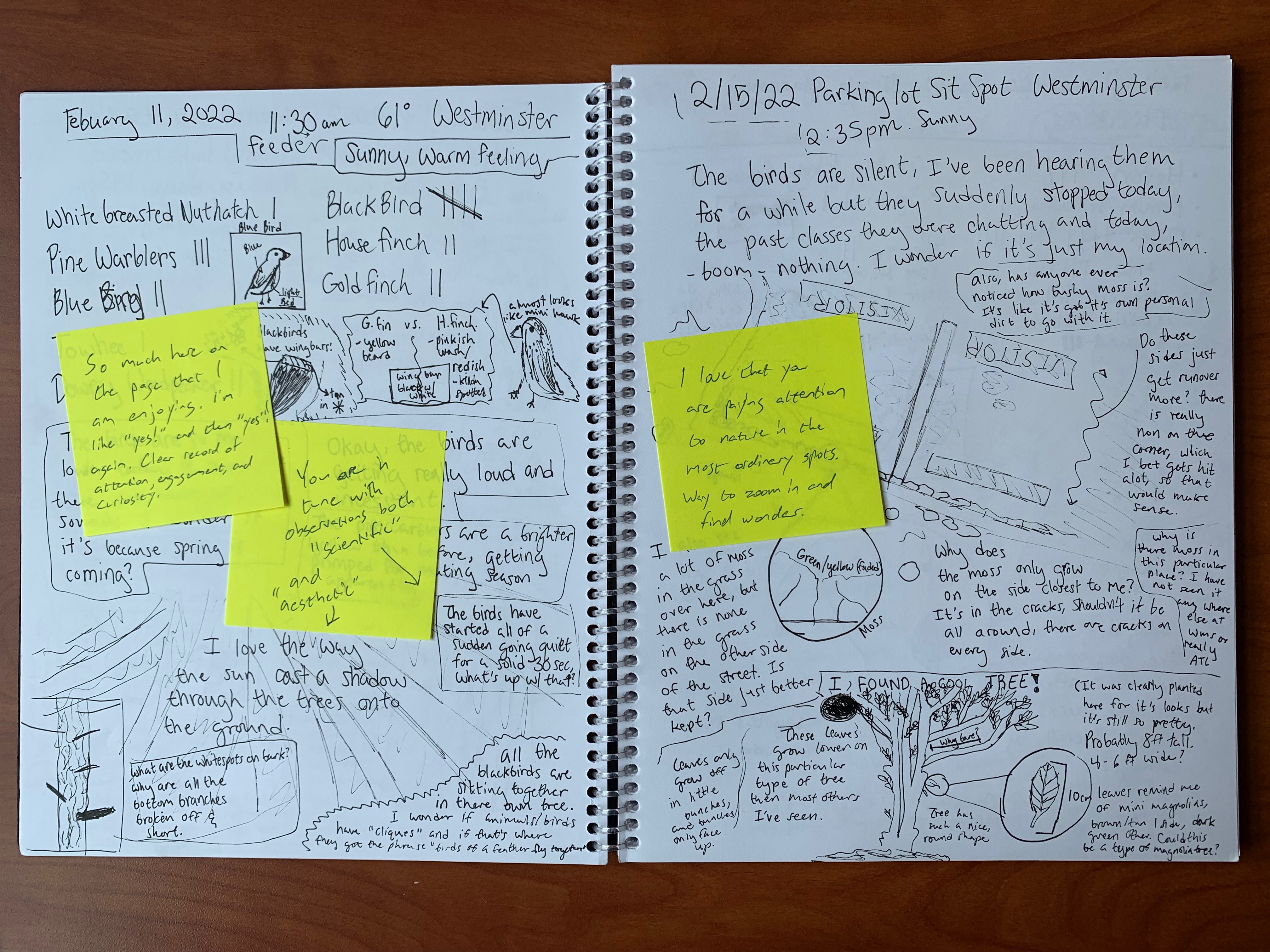
Spiral-bound 8.5 x 11 journal from Sketch for Schools. We get black matte-board front and back covers with intermediate paper. KEY TIP: each student also gets a little vinyl paw-print sticker to designate the front and add their name.
Zipper pencil pouch. The one we ordered for this semester almost too small, so this is the one we’ll order next time. KEY TIP: After having a couple of students leave them behind in the field, I’ve gone to high-visibility yellow. Plus they can clearly mark their names in Sharpie.
Micron Pens, black with 05 tips (2)
Staedtler 2B pencils (2)
Prismacolor Col-erase non-photo blue pencils (2)
Barrel pencil sharpener. KEY TIP: Get one that screws closed so the shavings reservoir doesn’t pop open in a pencil pouch.
Set of Faber-Castell Polychomos colored pencils (I go with the set of 24 plus two extras that John Muir Laws recommends on his website).
Insulated sit pad.
I’ll hold onto the colored pencils for a couple of weeks and let the students get the hang of nature journaling before offering something shiny and new.
I’ve been worthless about posting to this blog about my Meet the Wild nature education elective, and a lot has happened in the past year and a half. But with two more class sections getting underway in this new semester, I feel motivated to offer an update.
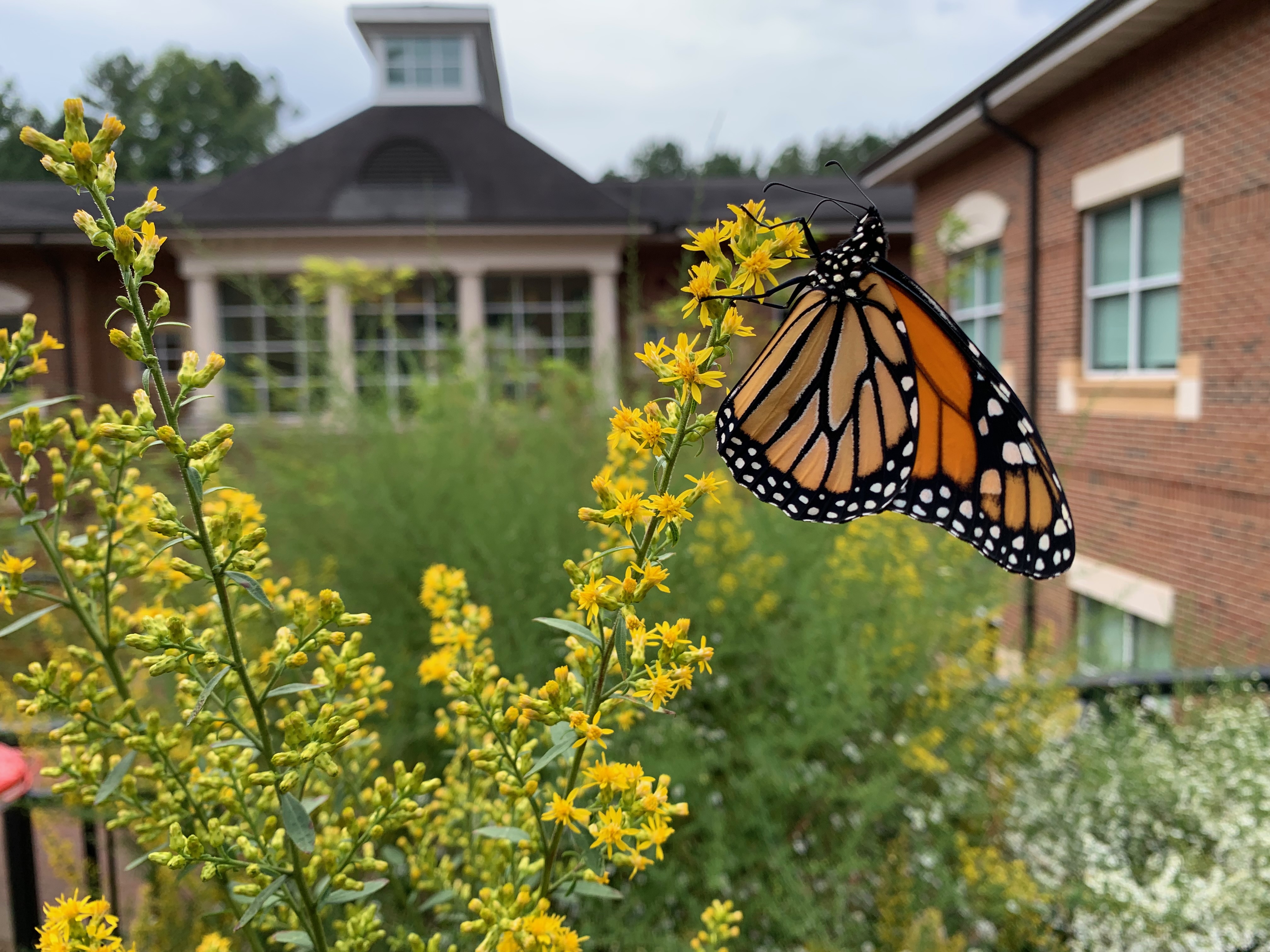
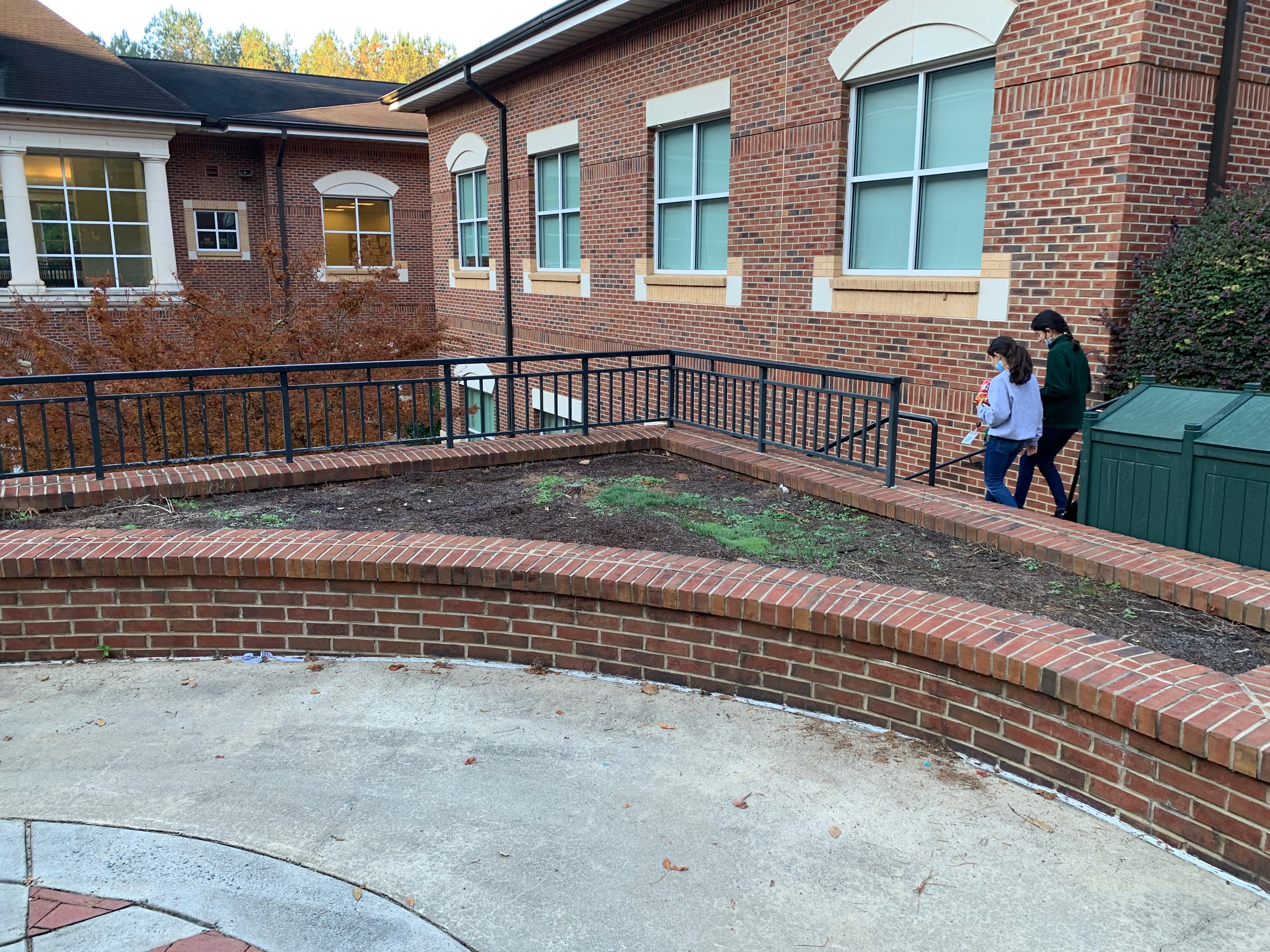
Last fall, I wrote about participating in the Great Georgia Pollinator Census (now expanded to be the Great Southeast Pollinator Census) and how my students were motivated to plant a new native wildflower garden.
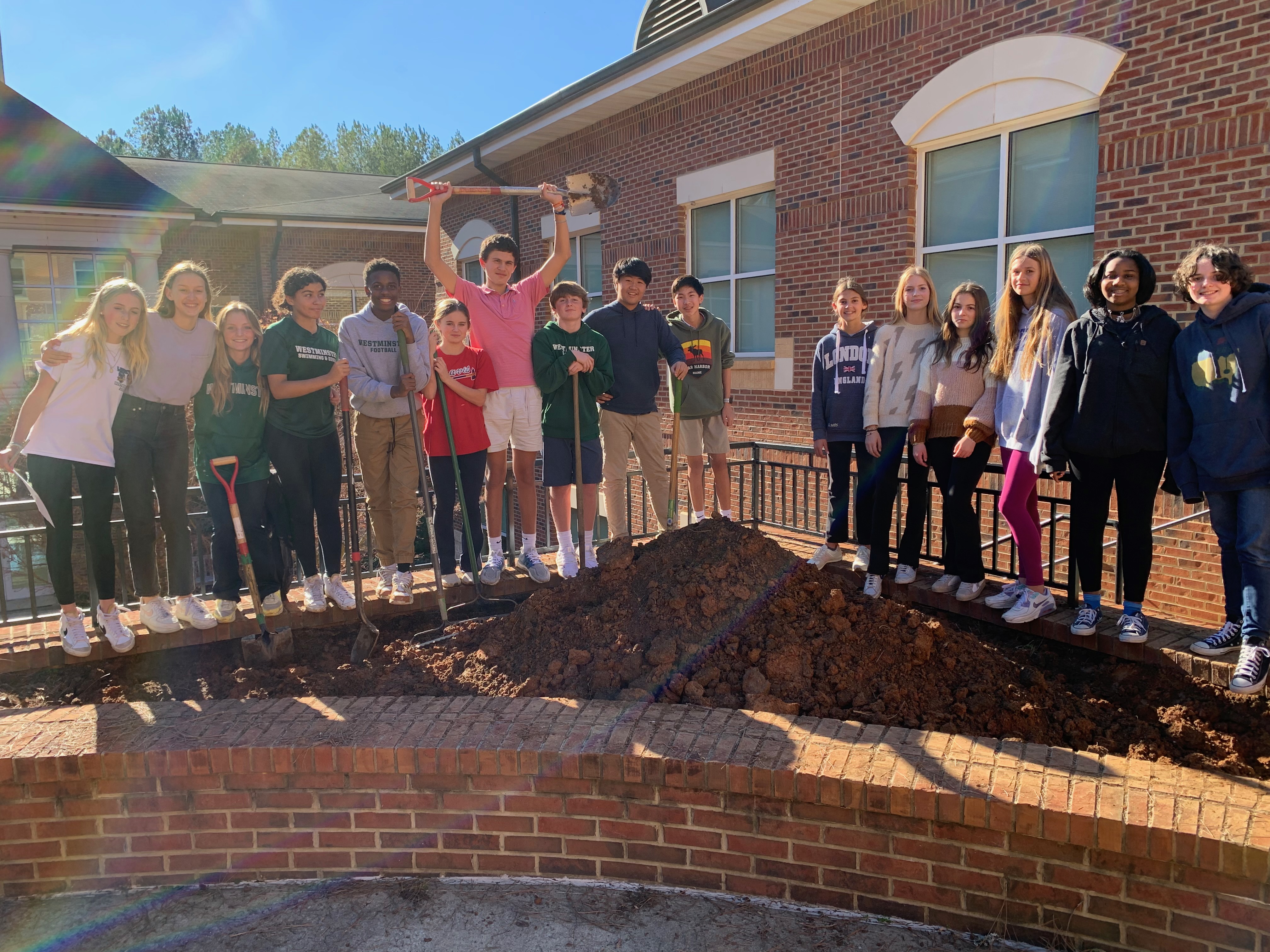
Well, we did it. My fall semester kids drew up a plan (of sorts) and got to work preparing the soil.
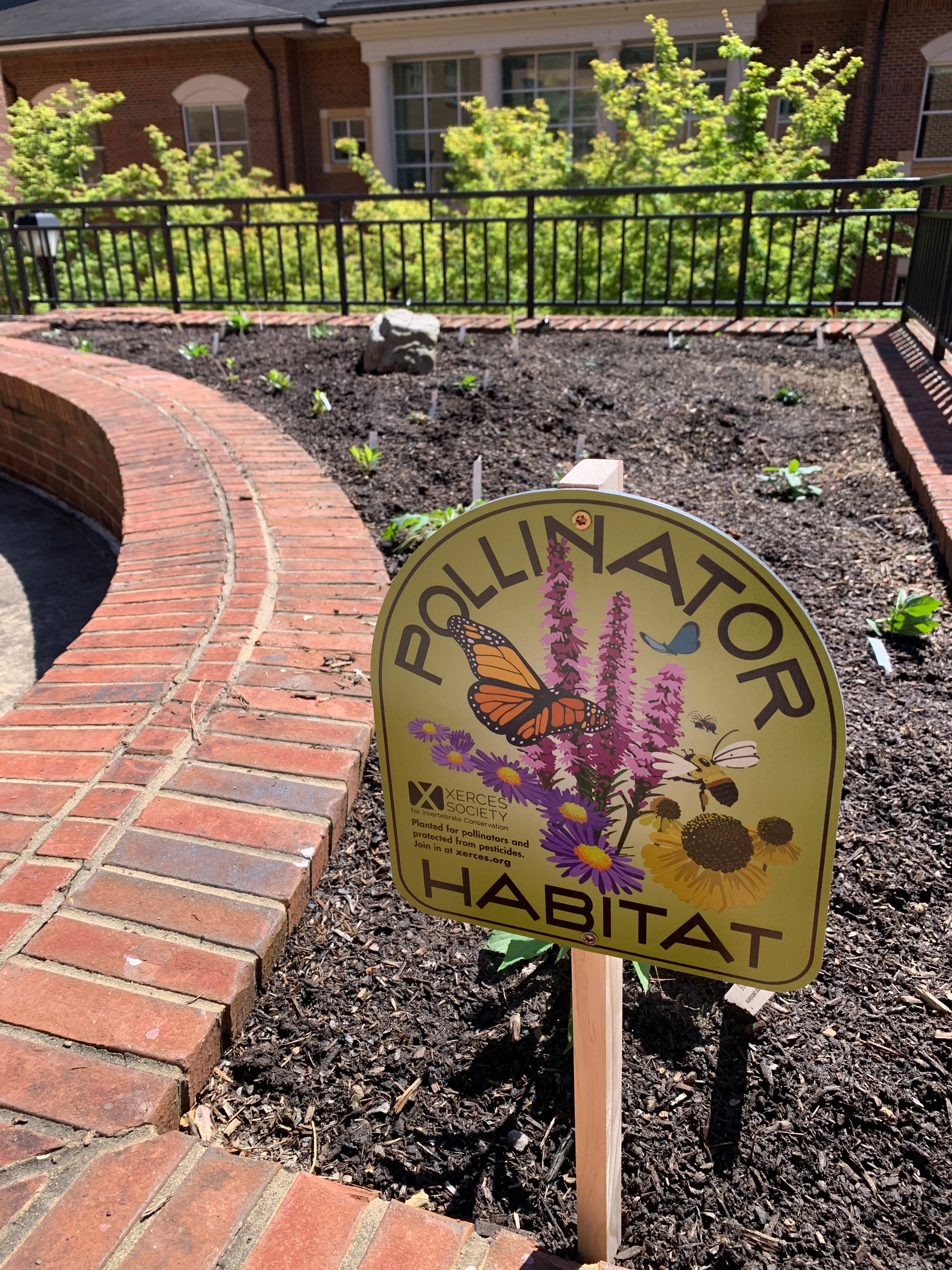
My two spring semester classes got to do the planting.
I was gone all summer but got a couple of volunteers to make sure the plot got watered occasionally. When school started again in August and the next GSPC came around, our little plot was thriving.
I cannot overstate how productive and entertaining this little patch has been—and what a welcome evolution it has been for the course, which could previously get a little samey-samey over the course of a semester (we tended to be sort of “all-birds, all the time”).
Ideally, we’d be busy expanding the pollinator garden into a new bed this semester—right now it’s a little too small to support an entire class section’s concurrent journaling—but there’s new campus construction coming in the summer, and the garden’s future is uncertain.
For kids who grow up awash in gloomy messages about the environment, the lesson that one can effect tangible, immediate benefit through habitat creation and care is life-giving.
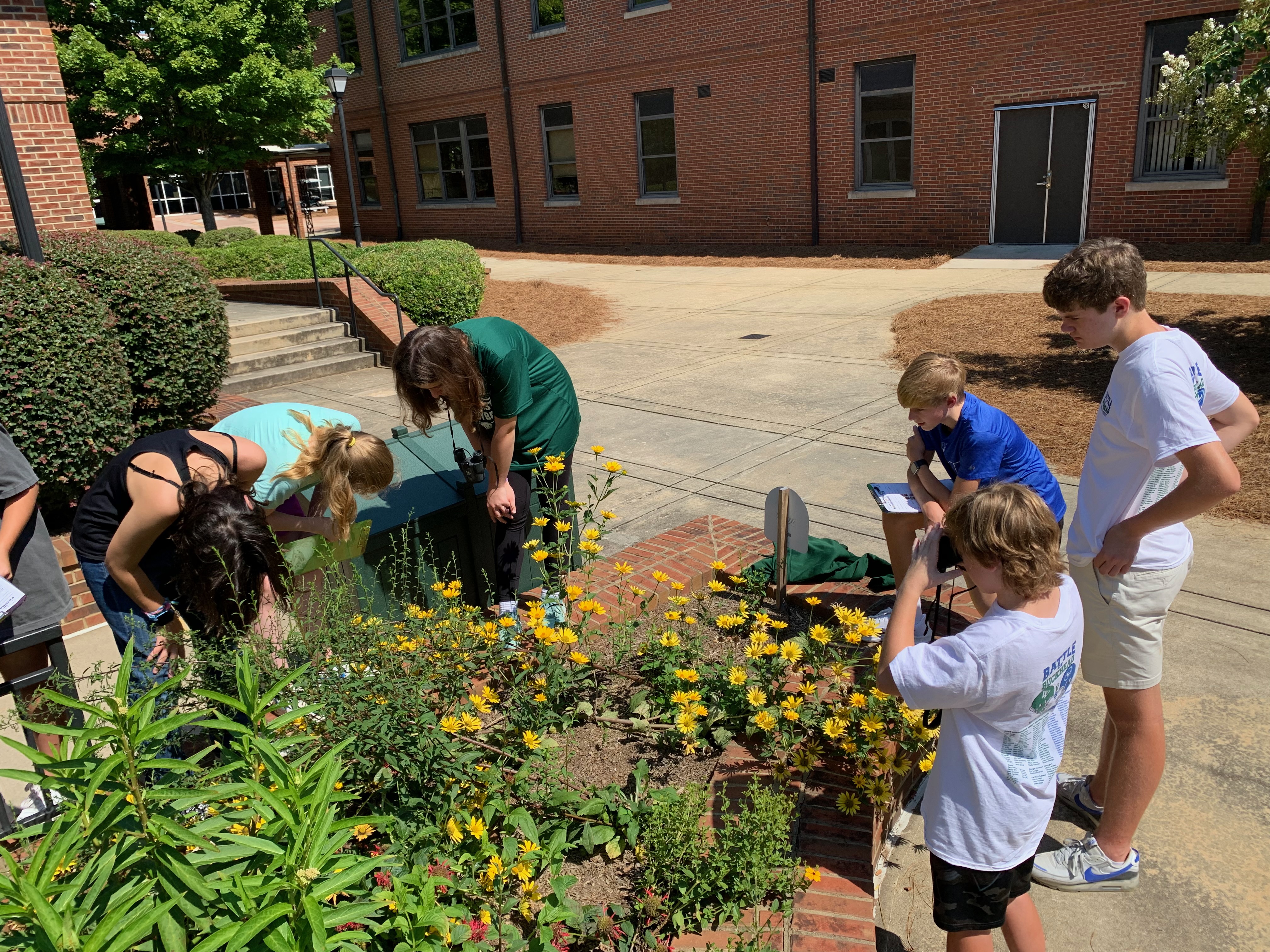
On Friday, we participated in the Great Georgia Pollinator Census. I hadn’t even heard about the event before Tuesday when I stumbled upon it while dropping down a deep entomology-for-beginners internet rabbit-hole, but I’m ever-so-thankful that I did. Friday’s class was magical.
My immediate problem was that I didn’t know where on campus I might take my kids to easily find and count pollinators. I walked all over central campus looking for a convenient assemblage of wildflowers, but the best I could do on short notice was two smallish clumps of non-native butterfly bush (Buddleia davidii) right outside the front entrance to Clarkson Hall. How was I going to keep sixteen 8th graders engaged with a couple of bushes that occupy less area than the copy machine in the teachers’ lounge?
I needn’t have worried.
The flow of the class went like this: 1) we watched an exceptionally well written and produced YouTube video from PBS/Nature called The Power of Pollinators, 2) we went through the GGPC PowerPoint presentation on basic insect identification (they keep the categories broad enough to be easily mastered but differentiated enough to be interesting and fun), 3) we stepped outside and counted (the actual count only takes 15 minutes), and 4) we shared our thoughts about the experience. I had the students work in groups of four and gave each group a zone to monitor, but much of this order dissolved (in the best way possible) once the kids discovered that these flowers were a veritable zoo. And not just a zoo, but a petting zoo, thanks to our beautifully docile bumblebees.
Consequently, I’m quite sure our data collection didn’t pass any sort of scientific muster. But in terms of the top two stated goals of the census—to increase awareness of pollinators and to encourage the development of more pollinator gardens—I think we crushed it. In our debrief at the end, several students wanted to plant a better garden. I just nodded sagely. I’ll let it be their idea when we go visit the empty beds right outside of my classroom.
Meet the Wild is one of a number of elective offerings that our 8th grade students can choose between, and all of these semester-long experiences are officially Pass/Fail courses. Last spring for the pilot, I was pretty content to give a “Pass” to anyone who didn’t get eaten by a wild animal. But one of my goals for this year is to provide more structure for those who need it; these are middle schoolers, after all, and some of them need to at least be pointed in the right direction before they’ll find a path to intrinsic motivation. Plus now that we’ve moved well beyond pilot stage, I guess it’s time to go legit.
Last spring, while I had some kids who immediately caught the spirit of nature journaling and made the most of every opportunity, I had some who just went through the motions until I started taking up journals every other week to look through them and offer feedback on sticky notes. Unsurprisingly, this simple change made a big difference.
So I’ll continue that practice this fall, and I’ve also put together something of a syllabus that makes goals and expectations for the course more concrete. Hopefully I can add a touch of class and still keep the “lets take a break from academics and go wander around in the woods and look at cool stuff” feel of the experience.
I’ve met my new group three times now and am starting to learn everyone’s names (when I was a young teacher, I could accomplish this feat in one day, but no longer).
We’ve gone on one longer shakedown walkabout and gone outside a second time to set up the bird feeder station. Mostly, I’ve spent time trying to establish norms (“please quick sword-fighting with those sticks and gather over here to look at something”), but we’ve also quickly established that one benefit of having that many eyes within a group is that we see/find a lot with a modicum of student attention. So far we have discovered and wondered about the following in two short outings:
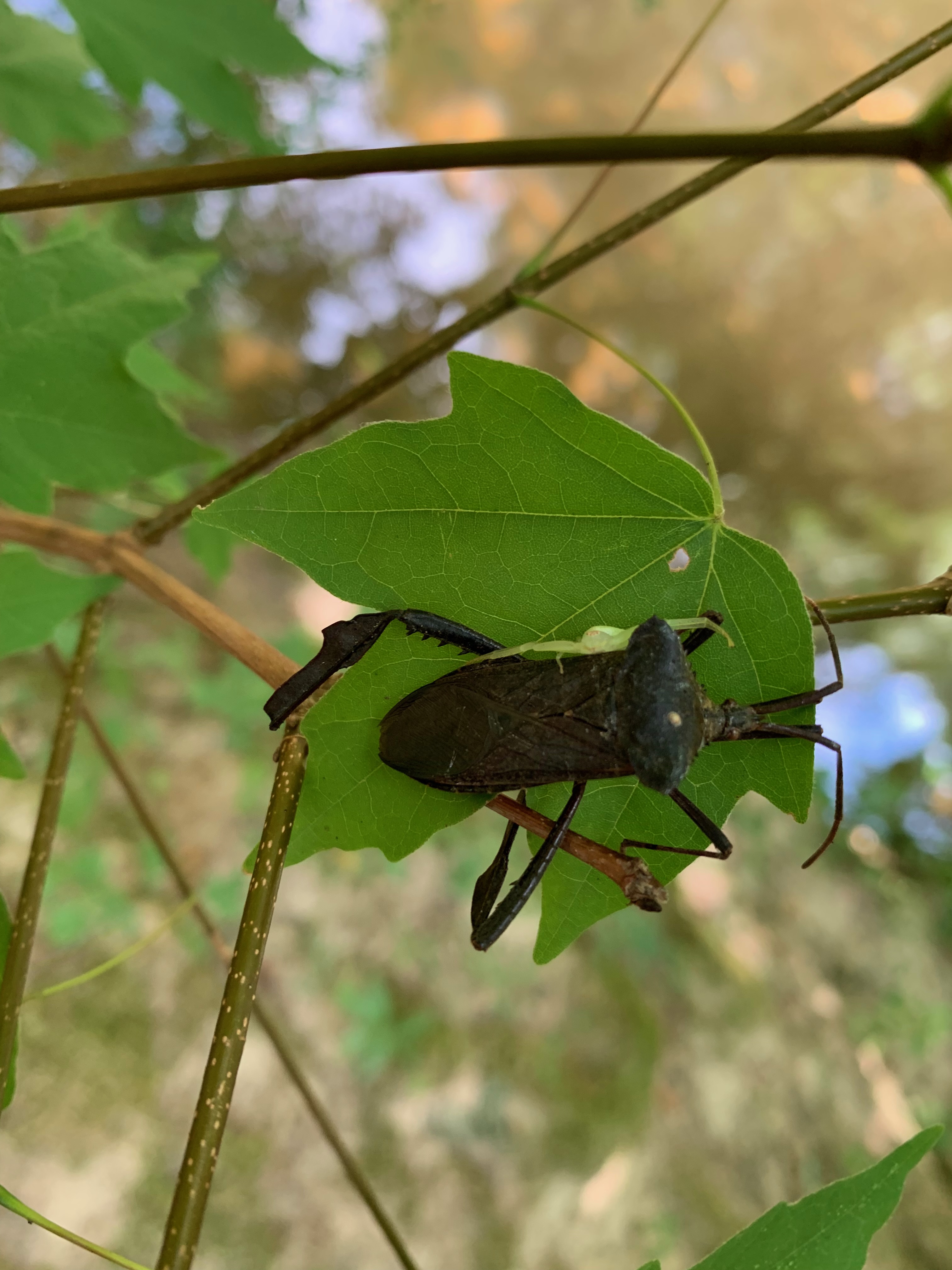
A rather awesome Giant Leaf-footed Bug
Several cool mushrooms, including what I have learned is probably a deadly-poison member of genus Amanita (the delightfully-named Destroying Angel?)
A Variable Oakleaf Caterpillar being attacked by ants
Horizontal rows of holes in tree bark made by Yellow-bellied Sapsuckers
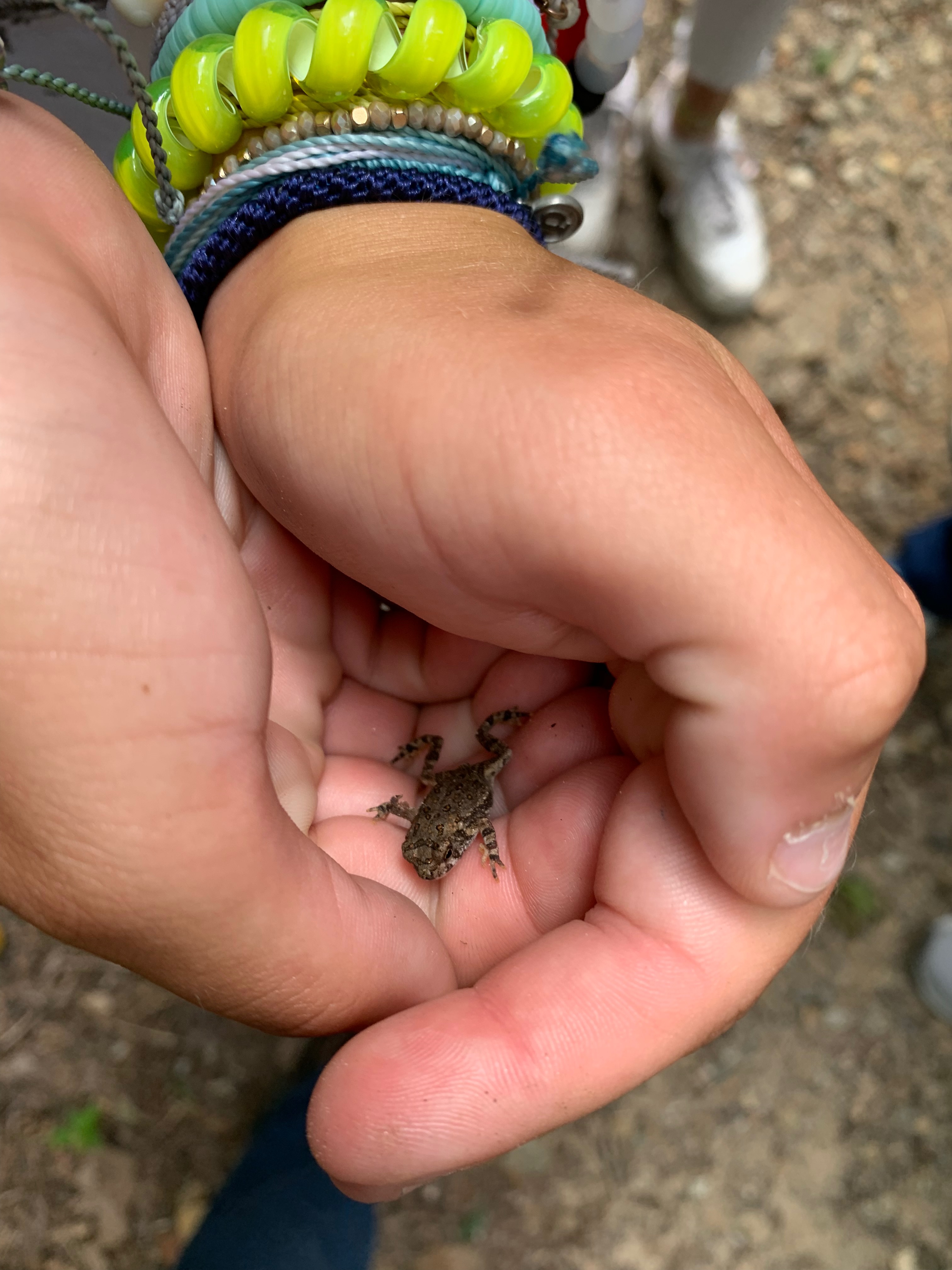
A teeny (Northern?) Cricket Frog
I’ve been uploading a bunch of pictures from these outings to iNaturalist in order to learn the platform, spending several happy planning periods over the last couple of days researching more about the things we have found and then sharing this info on our class Schoology page (a duty I’ll be looking for them to take over before too long).
I was not particularly successful in my intention to regularly blog last spring through the pilot run of Meet the Wild. Every time I posted, I slipped back into (relatively) long-form format. The more I learned, the more I had to say, and the more time I’d need to compose. I made it to late February before I gummed up the works and stopped posting.
However, in terms of the most important metric for the success of the whole experiment—whether enough students would sign up for the class to make again this year—Meet the Wild was a solid success. This year, I’ll be teaching three semester-long sections, one in the fall and two in the spring. And each section has a full enrollment of 16 kids. Meet the Wild has gone from an interesting side project to nearly half of my teaching load. So the pressure is on for the course to mature and solidify and for me to figure out what on earth I’m doing.
I’m going to try again to blog the experience, but I need to learn to think more in terms of Instagram-style posts than fully-fledged, thought-provoking confessionals so I don’t gum up the works again.
For starters, here’s the promotional video I used to sell the course to this year’s rising 8th graders. Half of it is recycled from the year before, supplemented with footage and testimony from my students last spring.
Over the past week and a half we’ve had a couple of nice journaling days outside and have also made significant progress building our three bird houses, which we hope to deploy next week before Spring Break.
But we’ve also had a couple of rainy classroom days where we could (finally) dig into the trail camera footage that we’ve captured now that the camera is better situated.
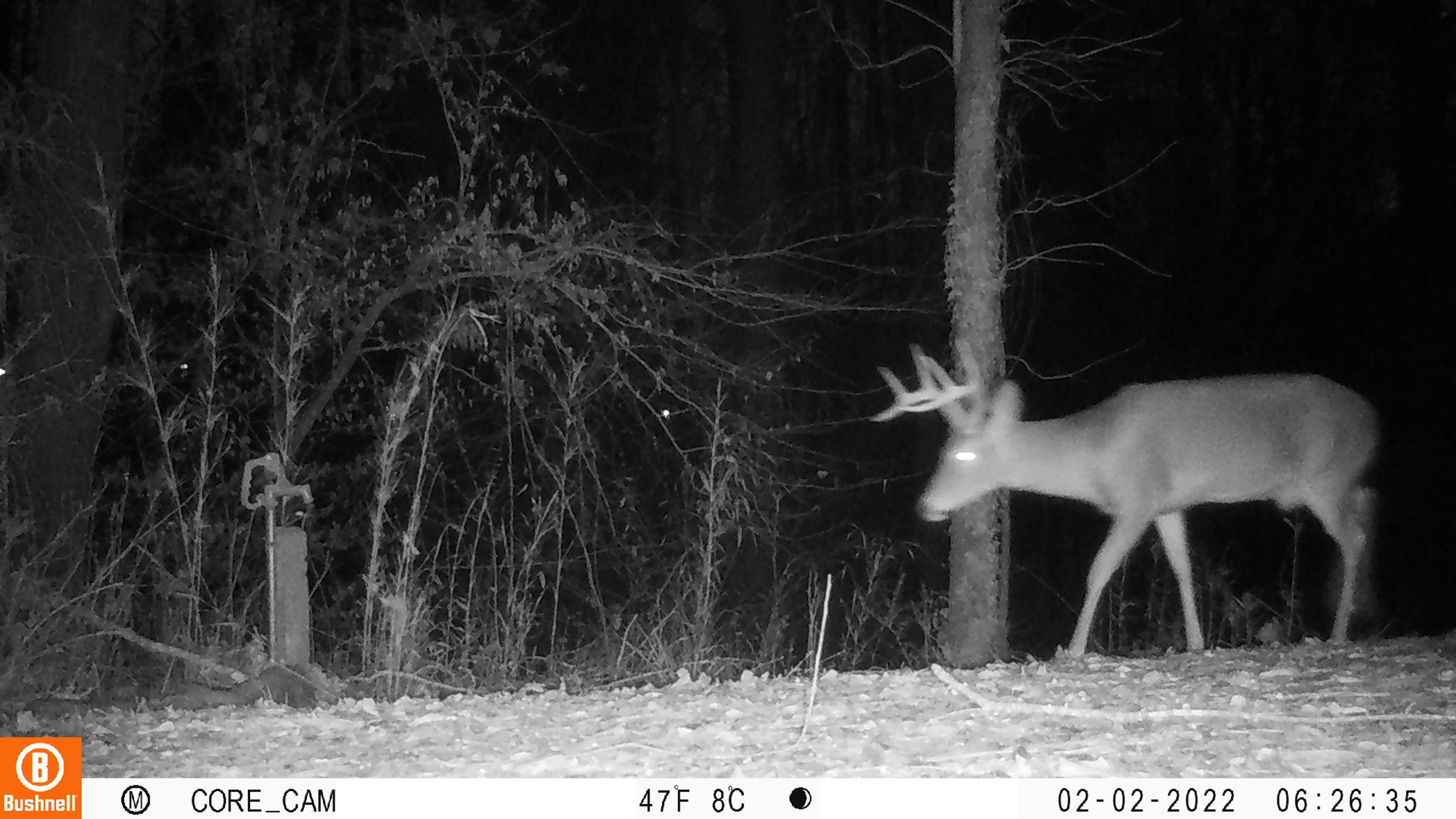
Some of the findings were entirely predictable, though still pretty spectacular. It was no surprise that we have lots of white-tailed deer (Odocoileus virginianus) on campus. We had more deer triggers than anything other than joggers and dog walkers. Some of the deer even posed quite nicely for the camera.
We were excited to get more coyote (Canis latrans) footage, none more exciting than this next clip, a gift which keeps on giving.
While we have no otter sightings at Otter Pond (in fact, I haven’t seen one since mid-December), we were quite surprised to capture a beaver (Castor canadensis) on several occasions. This little buddy has been a class favorite, a featured subject on many journal pages. Several students plotted all of the beaver sightings onto a timeline to see what we might discover about its movements. Using the camera’s meta-data, we know it doesn’t come every night, but when it does it seems to transit from the pond to the creek somewhere between 2:00am and 5:00am. At first, we thought we might have had two beavers making the same transit within ten minutes of each other, but on further inspection it looks like the same beaver triggered the camera and then sat still for ten minutes before resuming his journey and triggering the camera again.
We also have a set of possible beaver captures that we have left labeled “mystery” because the camera position only captures a sliver of the animal’s back. These shots may help fill in the picture, showing the animal moving from the creek to the pond around midnight. We talked today about how none of us have seen beaver sign anywhere along Nancy Creek; then again, we haven’t been looking, so we’ll add that to our list for the coming months.
Rounding out the picture, we have three different raccoon (Procyon lotor) triggers and one opossum (Didelphis virginiana).
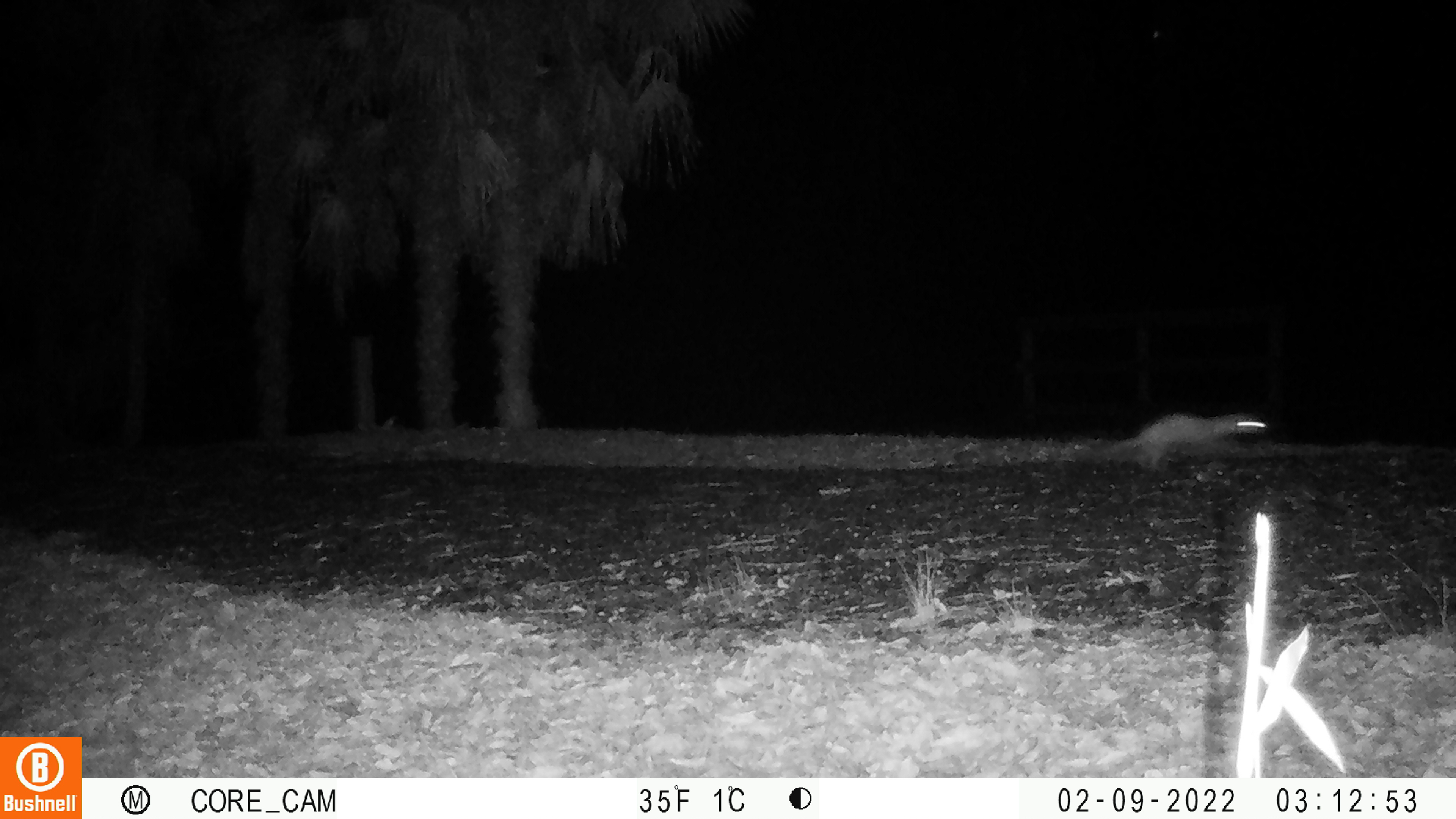
Finally, we have one other animal labeled “mystery” that moves through very quickly and doesn’t return particularly good images. But it’s intriguing—long and sleek and low and moving briskly, quick enough that it has almost left the frame before the video capture begins. The still image captured in front of the video clip is intriguing, however; is this perhaps American mink (Neogale vison)?
Unsurprisingly, the students had a great time looking through the footage. I asked them to pick a focus—perhaps a single species or a single night—and use their journals to make sense of and record their findings. What can we learn, and what new questions do we have? For instance, we have 53 different camera triggers by white-tailed deer, but to what extent do these capture the same individuals on different occasions? How can we tell? The kids made some cool discoveries—like the fact that most captures recorded animals (across different species) moving northbound along Nancy Creek—but their journal pages also lacked a lot of clarity in terms of being observational records that would make sense beyond the moment. The next time we can’t go out, I’ll have a new batch of footage ready and we’ll try again.
We definitely found a better spot for the trail camera. The action over the past week is more interesting than I had hoped, and I can’t wait to have the students sift through the footage and see what we can learn from the data. Here’s a teaser, the first coyote we captured.
The camera sits right at a wildlife crossroads, a spot where animals get funneled between Nancy Creek and Otter Pond and where it’s pretty clear animals come up from the water. Coyote has just crossed Nancy Creek and shakes the water off before going off to do other coyote things.
Lots more interesting stuff to come . . . this is only a teeny glimpse.
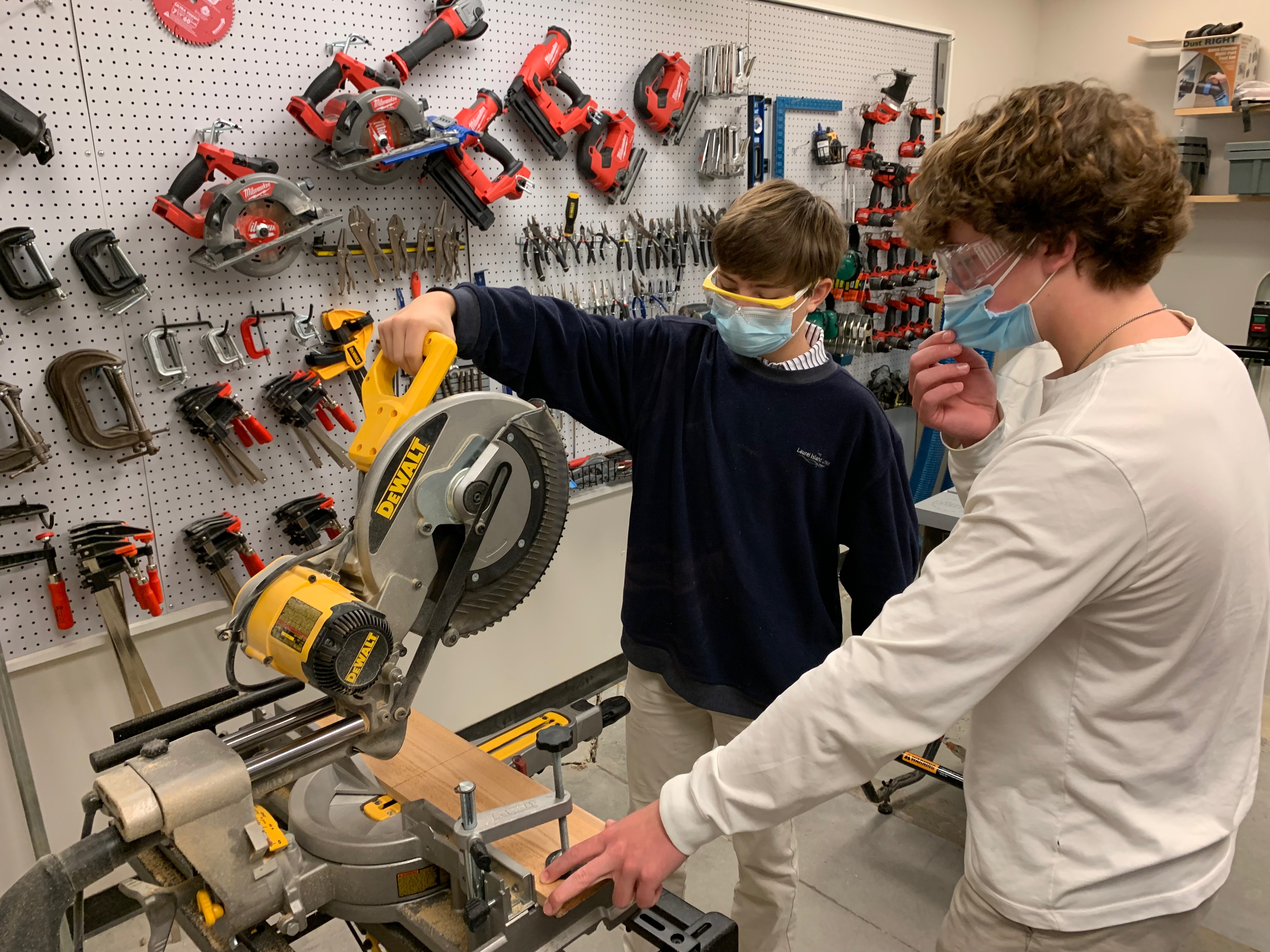
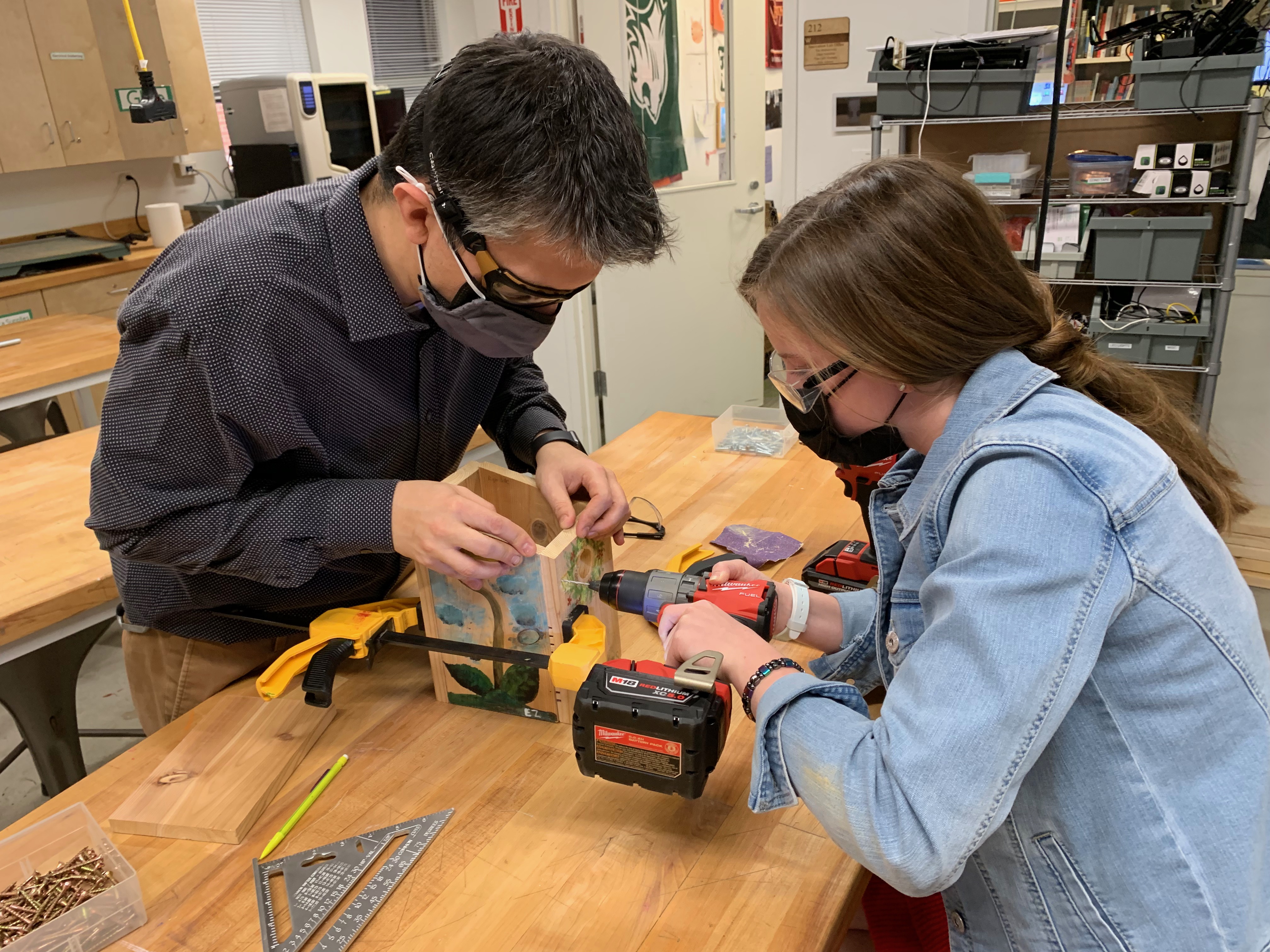
Over the past couple of weeks, we’ve spent about half of our time indoors in the Innovation Lab, building a set of nest boxes for cavity-nesting birds. We’re making three houses, using a slightly modified design from Nestwatch at the Cornell Lab of Ornithology, that we’ll mount on telescoping poles complete with predator baffles. The kids are basically doing all of the work; my job is to see that no one loses a finger.
Many birds are cavity nesters in dead trees and snags—find an old dead tree in the woods and you’ll see that it’s a veritable bird condo, riddled with nest holes—but these can be hard to come by in residential neighborhoods. Homeowners are understandably reluctant to leave dead trees standing for aesthetic or, especially, safety reasons. I have personal experience in this matter, having left a dead tree in the back yard of my former house because Northern Flickers were successfully nesting there—only to have it take out a wooden fence when it inevitably fell. So boxes provide valuable nesting sites, with the added benefit that we can peek inside and keep tabs on the action.
Different species of bird prefer differently sized boxes with different diameters of nest holes, and with our range of boxes we could attract Brown-headed Nuthatch, Carolina Chickadee, Tufted Titmouse, White-breasted nuthatch, and Prothonotary Warbler (we’ll site one specifically to try to reel in one of these flying jewels).
We think maybe two more class days will complete the work, and then we can get out and put them up. In the weeks ahead, we’ll monitor them regularly and submit data to Nestwatch. Please, please, please, campus birds, make my kids happy and move in!
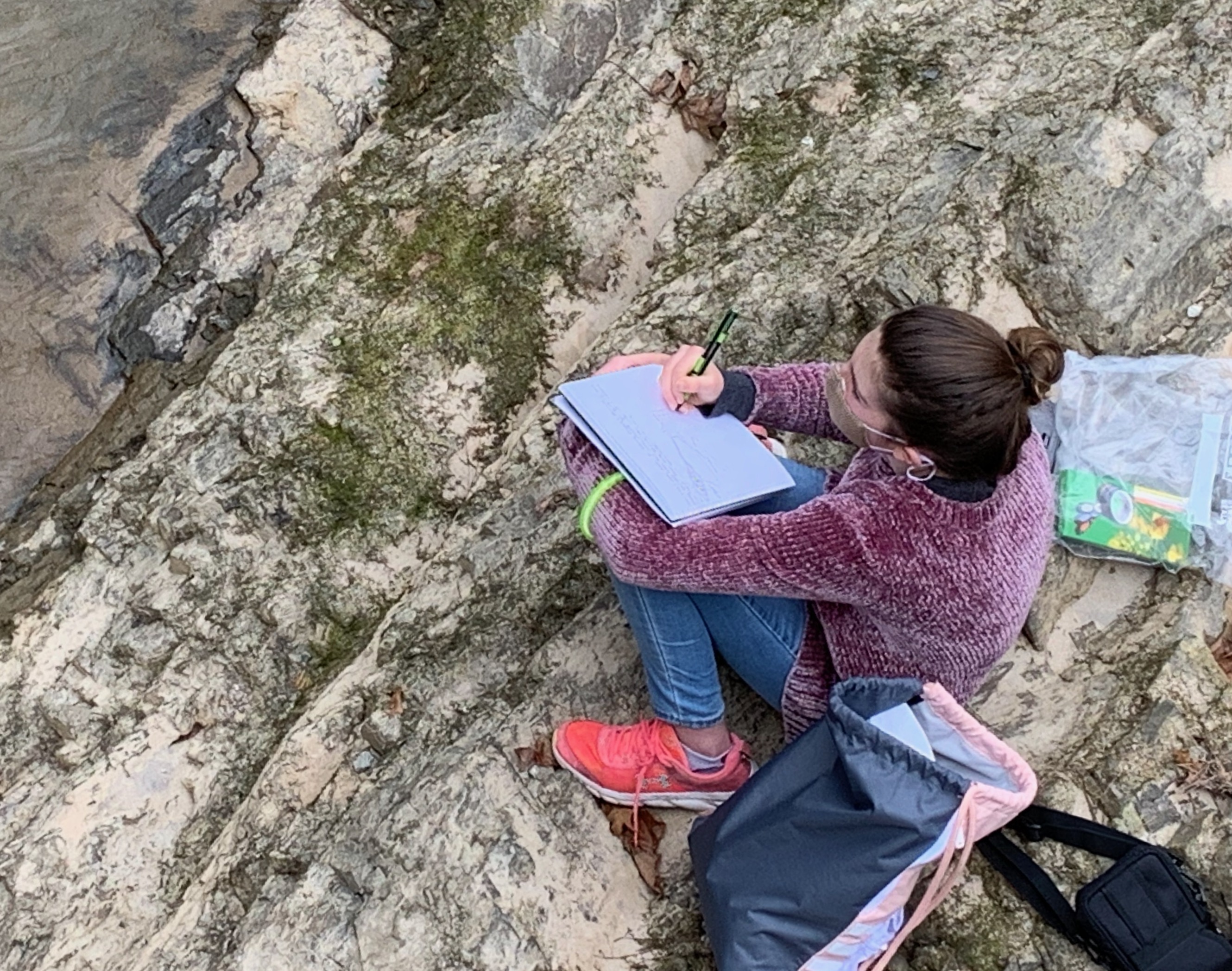
We’ve been alternating lab days with outdoor days, going birding, making tree-species comparison sketches, and, most recently, establishing the first of a series of solo sit-spots that the kids will revisit at regular intervals to record the onset of spring in a specific location.
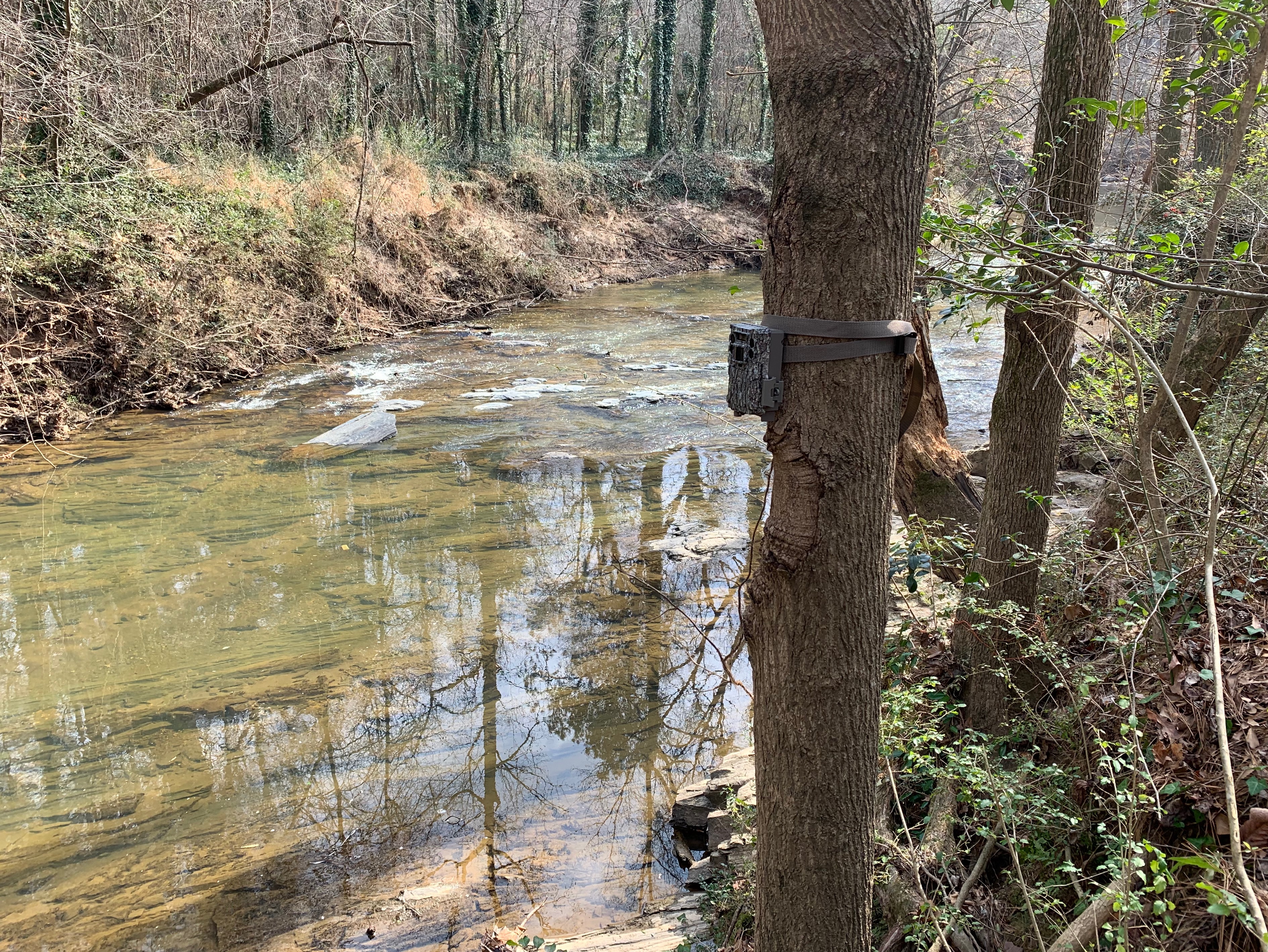
And finally, I’m learning a good bit about how and how not to place a wildlife trail cam. Twice now I’ve gone down to Otter Pond to check the footage and make adjustments. We’ve got lots of deer activity on film, and we’ll spend our next rainy non-lab class day recording this activity in our journals to see what questions we can raise and what conclusions we can draw about them.
No otters yet. But we’ve got several mystery nighttime visitors that came up and rubbed on (or possibly peed on) the camera. All of them too close to get anything other than lots of fur. Hopefully my latest camera position will give us clearer results.
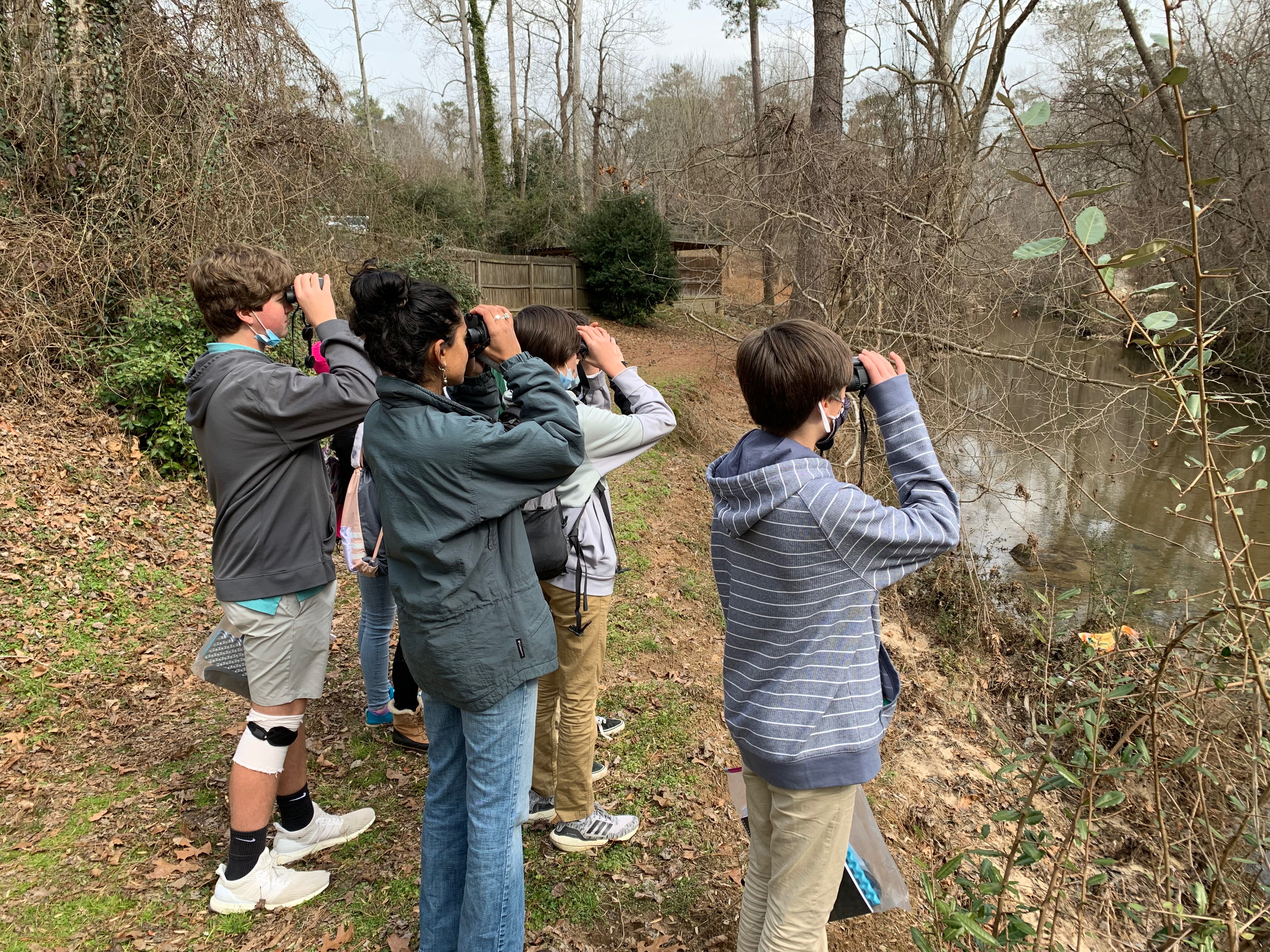
Today we took the long walk again down to Nancy Creek and Otter Pond, bent on setting up a motion-sensor trail camera that might capture our elusive otters (and who knows what else). Westminster senior and uber-birder Nithya Guthikonda joined us, and together we actively birded all the way down there and back again. We got terrific looks at Great Blue Heron, Belted Kingfisher, Red-headed Woodpecker, Eastern Phoebe, Golden-Crowned Kinglet, and Yellow-bellied Sapsucker, among others.
I didn’t expect we’d have time to stop and sit down and journal, and indeed we didn’t (we haven’t yet practiced with journaling while standing up). In fact, I had to rush to choose a spot to mount the camera. I tried to pick a site that might catch movement both in the creek and on the trail running alongside it, but I have no idea if it’s in a good position to capture either. I guess we’ll find out when I go back in a few days to retrieve the SD card.
I feel confident I turned it on, but that’s about it.




 postcards from the outback